





If you ask any marketer responsible for generating business for a product or service company, they’ll tell you how important it is to be on Google. The tech giant is the go-to for most searchers, with about 16.4 billion searches happening there every day. And if you want premium placements on the Google Search Engine Results Page (SERP), you’ll need to bid on those top spots through a Google Ads campaign.
Understanding how Google Ads works allows you to be competitive on one of the most powerful marketing tools available, so let’s walk through the full journey, from the moment someone searches on Google to when they become your next customer.
What is Google Ads?
Google Ads is Google’s pay-per-click (PPC) advertising platform that emphasizes quality and performance. You bid on placement for various assets, such as keywords, text descriptions, images, and videos, across the Google network. Your budget, landing page, keywords, ad strength, Quality Score, and assets influence your ad placements. Additionally, some other factors that affect when your ad shows include a user’s location and search history. When a user sees your ads and clicks, you are charged.
Said another way:
- You choose your audience by targeting locations, keywords, demographics, or interests.
- You set your budget.
- You create ads that are eligible to appear when people search for relevant terms or browse sites in Google’s network.
- You pay per click, meaning you’re only charged when someone engages.
Users searching on Google have a clear intent behind their queries. They are either seeking information or aiming to complete a transaction. For small businesses, this is a game-changer. Instead of paying thousands for a billboard that may or may not reach your customers, PPC ensures you’re visible to people whose search intent matches exactly what you provide.
The User Journey: From Search to Conversion
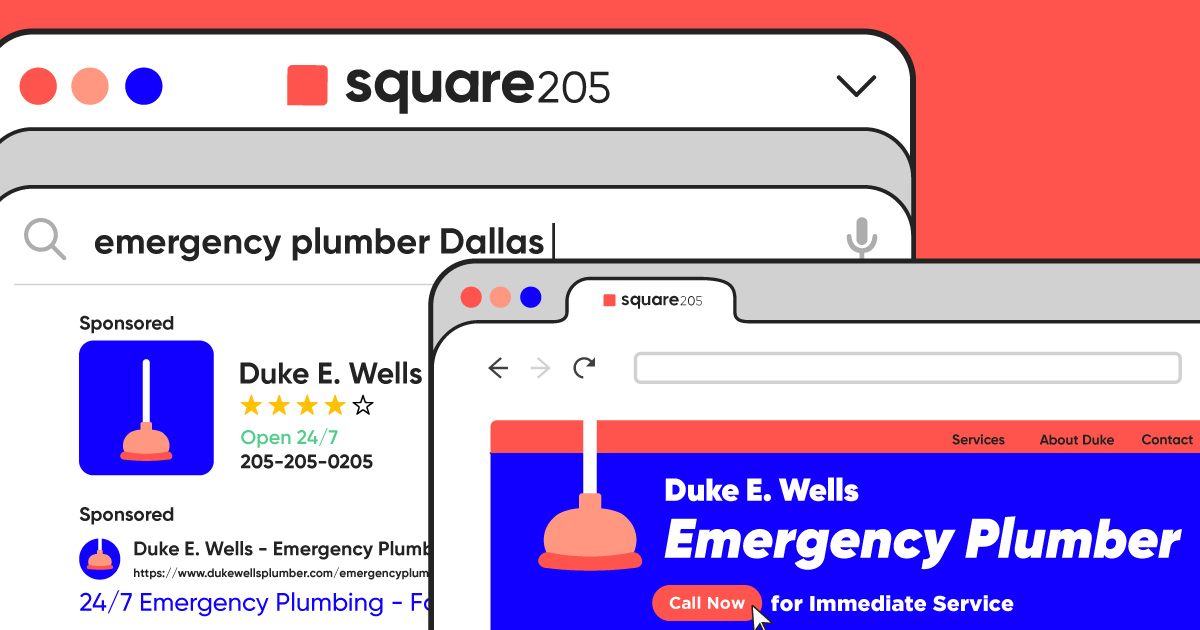
To understand how Google Ads work, let’s look at a simple example:
- Step 1: The Search – A homeowner types “emergency plumber Dallas” into Google.
- Step 2: The Ad Trigger – Google scans its database of advertisers. If you’re a plumbing company in Dallas that’s bidding on the keyword “emergency plumber,” your ad may appear at the very top of search results.
- Step 3: The Click – The user sees your ad, which might say: “24/7 Emergency Plumbing – Fast Response in Dallas.” They click.
- Step 4: The Landing Page – Instead of sending them to your homepage (which covers everything from water heaters to bathroom remodels), your ad directs them to a focused landing page about emergency plumbing.
- Step 5: The Conversion – On that page, a bold call-to-action says: “Call Now for Immediate Service.” The visitor clicks to call, and within minutes, your office phone rings.
This entire journey, from search to conversion, can take less than 60 seconds. That’s the power of PPC for small businesses.
Google Ads Placements Explained
One of the biggest advantages of Google Ads is flexibility. You’re not limited to search results. Your ads can show up across the web. Here are the main types of placements:
Google Search Ads
These are the text ads that appear at the top (and sometimes bottom) of Google search results. They’re high-intent because the user is actively searching for your service.
Google Display Ads
These are visual banner ads that appear on websites across Google’s Display Network (which consists of millions of sites). They’re great for brand awareness or remarketing to people who’ve already visited your site.
Responsive Google Display Ads
With responsive ads, you upload headlines, descriptions, and images. Google automatically mixes and matches them into different formats to optimize performance.
YouTube Ads
With YouTube video ads, you can reach users while they’re watching content. These may appear before a video you’re watching (in-stream) or alongside that video (discovery ads).
Google Maps Ads
Perfect for service-based or retail businesses, these ads show up in Google Maps and local search results when people are looking nearby.
Local Services Ads
For businesses that are eligible, Local Services Ads show at the very top of a page, above the local map pack, Google Ads and organic results.
Each placement has its own strengths, and a well-rounded strategy often mixes several formats.
Why the Landing Page Matters
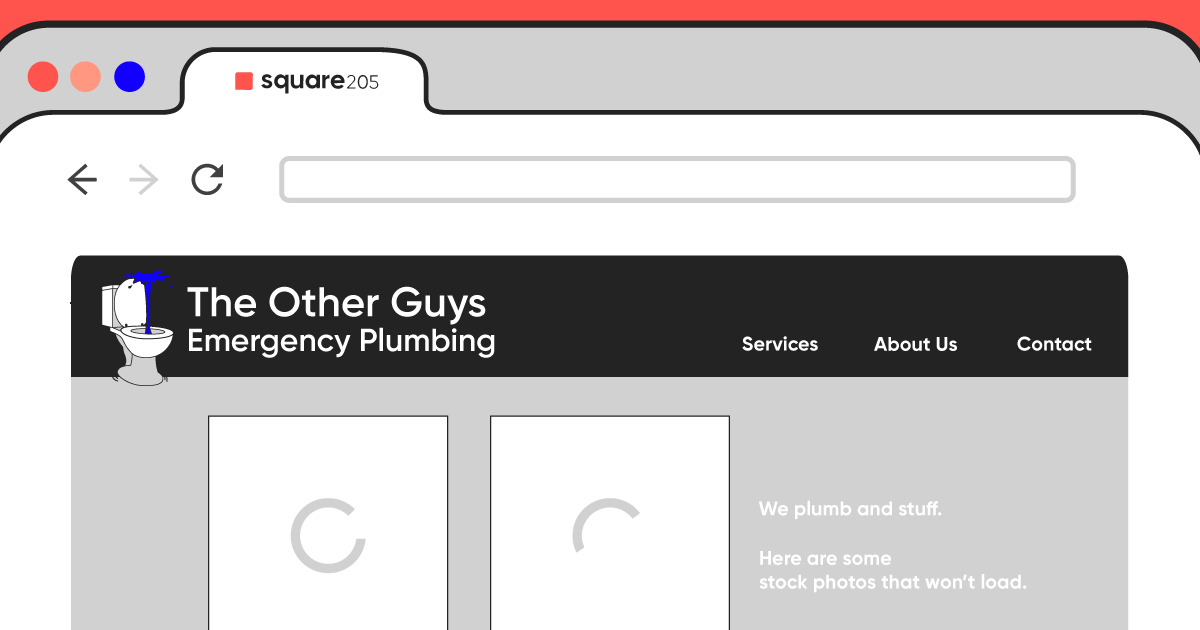
Your Google Ad can be incredibly appealing, driving quality traffic to your site, but if you’re landing page doesn’t deliver, they’re likely to leave your site without converting.
A conversion-friendly landing page should include:
- Message Match: If your ad says, “Emergency Plumbing Dallas,” your landing page should say the same. Consistency builds trust and reduces bounce rates.
- Fast Load Time & Mobile-Friendliness: Over half of Google searches happen on mobile. If your page takes more than a few seconds to load or renders incorrectly, you risk losing the lead before they even see your offer.
- Focused CTA: A landing page doesn’t need to communicate everything about your business. Keep the page simple with one main goal focused on what you’re promoting, whether that’s a form submission, phone call, or online booking.
Relevancy, quality, and a clear call-to-action are the difference between wasted clicks and new customers.
Conversion Tracking & Optimization
Running Google Ads without tracking conversions is like playing darts blindfolded. You ultimately hit (or miss) the target, but you don’t know which throw or strategy was effective. If you want to optimize your game, you need full transparency into what works and what doesn’t.
To set up conversion tracking:
- Set Goals: Define what a “conversion” means for your business: a form submission, phone calls, e-commerce sales, or even physical store visits.
- Track with Google Tools: Google Ads integrates with platforms like Google Analytics, Google Tag Manager, and Shopify, so you can see exactly which clicks turn into conversions.
- Optimize Over Time: To get the best results with PPC, you need to refine your campaign continually. You can:
- Adjust bid strategies (manual vs. automated bidding, with the latter including options like maximize clicks or maximize conversions)
- Add negative keywords to filter out irrelevant searches
- Test ad copy to see which headlines get the most clicks
- Refine audience targeting
- Adjust your landing page to improve conversion
The longer your campaigns run (with proper management), the smarter and more cost-efficient they become.
Google Ads: Turning Clicks into Customers
Google Ads can seem complicated, but when you break it down, it’s ultimately about connecting the right people with the right message at the right time.
The journey from search to click to conversion, when all components come together properly, is simple:
- A user searches for what they need.
- Your ad shows up.
- They click through to your landing page.
- Your call-to-action turns them into a lead or customer.
Working with an agency that has expertise in Google Ad campaigns ensures a well-executed PPC strategy that drives predictable, scalable growth. Square 205 has a team of search engine marketers who know Google and are committed to getting results for their clients.
Contact Square 205 to see how we can develop and execute a Google Ad campaign that converts searchers into customers for your business.
